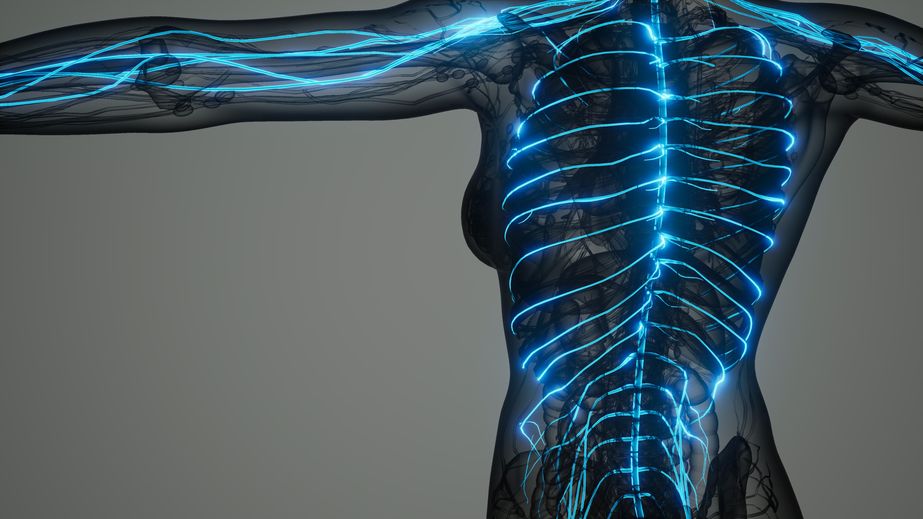
Something I see all the time in clinic as a Chiropractor in Stockport is this feeling that your body is overreacting…
Maybe you recognise some of these: heart racing, tension that won’t shift, sleep that feels broken, or symptoms that flare up “out of nowhere”.
And often the question underneath it all is: “Why is my nervous system doing this?” What if the answer isn’t that your body is failing you, but that it’s trying, very hard, to protect you?
Let’s talk about something called HRV
You might have heard this term floating around: Heart Rate Variability (HRV). It sounds technical, but the idea is actually really simple. HRV looks at the tiny differences in time between each heartbeat.
Your heart doesn’t beat like a metronome. It shouldn’t go: beat… beat… beat…
Instead, it’s constantly adapting:
beat… beat…… beat… beat…
That variation is a good thing.
When you look at HRV, here’s the key: higher HRV usually means your nervous system is more adaptable and flexible, ready to roll with whatever life throws your way. Lower HRV? That’s typically your system letting you know it’s carrying more load or stress than it can comfortably handle.
So really, HRV is less about the heart and more about how well your nervous system can shift between doing and recovering. In other words, how quickly you can come back to baseline after life happens. As a Chiropractor in Stockport, I focus heavily on this balance between your mind and body.
What actually helps improve this?
You don’t need hacks or extremes. What actually helps is giving your system regular signals of safety. Slow, gentle breathing, like inhaling for 4-6 seconds and exhaling for 6-8 seconds, can send a message that you’re safe, because the longer exhale helps calm your body.
Regular, moderate movement such as walking, cycling, or swimming supports your system too; it’s not about doing more, but about doing what feels steady and sustainable.
Mindfulness, ten minutes sitting quietly, guided meditation, or simply watching your breath can ease the constant scanning for problems and allow your body to shift gears.
Connection matters as well: eye contact, laughter, or just being with people you trust are more helpful than most realise.
And finally, there’s sleep. Good-quality sleep is foundational – your body does its deepest repair there, and consistent sleep helps maintain healthy HRV.
A helpful way to think about all of this
Many researchers now describe nervous system health as flexibility. Flexibility doesn’t mean being calm all the time or avoiding stress completely. But being able to respond when needed and recover afterwards.
When people start supporting their sleep, breathing, and movement, they don’t suddenly have stress-free lives. But their bodies stop holding onto stress in the same way. Symptoms still come, but they pass more easily. Flare-ups still happen, but they’re less intense.
That’s nervous system resilience.
If you’ve been feeling stuck, wired, or like your body is unpredictable, there’s nothing “wrong” with you. Your system might just need more consistent signals of safety and support. As a Chiropractor in Stockport, that is exactly what we work on together.
If this resonates or you’ve been navigating something similar, you’re very welcome to reach out. My goal as a Chiropractor in Stockport is to help you understand what your symptoms are really saying, so together we can uncover the real reasons behind your discomfort.